
Every home needs reliable door hardware. But should you choose a traditional mechanical lock or a modern smart lock? YALIS, with 17 years of experience, helps you decide.
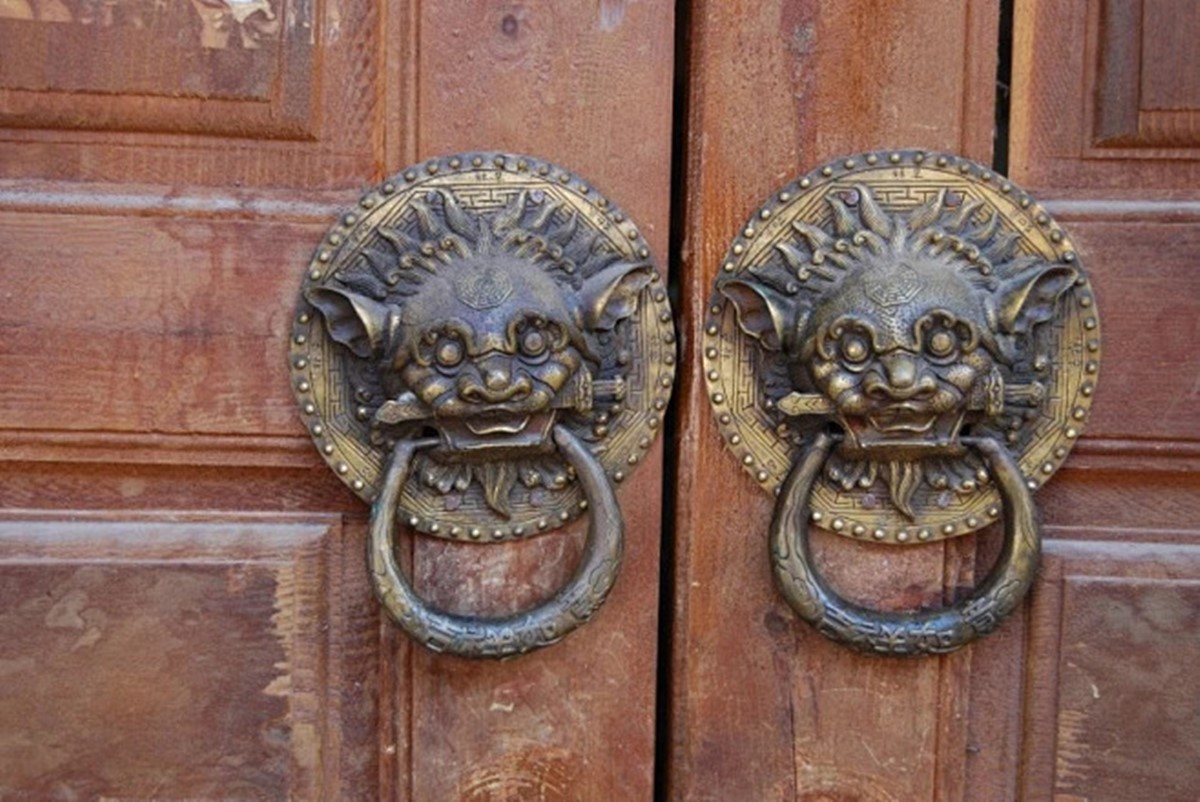
Part 1: Key Differences at a Glance
| Feature | Traditional Lock | Electronic/Smart Lock |
| Operation | Physical key | Keypad, fingerprint, app |
| Power needed | None | Batteries (6-12 months) |
| Hacking risk | None (physical only) | Bluetooth/Wi-Fi attacks |
| Lifespan | 10-30 years | 3-7 years |
| Cost per unit | $15–150 | $200–800+ |
| Remote access | No | Yes |
| Temporary codes | No | Yes |
Security note: The physical bolt is the same. Smart locks add convenience but also digital vulnerabilities. Choose a high ANSI Grade (1 or 2) for either type.
Part 2: Which Lock Fits Your Life?
Choose traditional lock if:
You want maximum physical strength at lowest cost
Your door is in extreme cold (-30°C) or humid climate
You need 20+ year reliability (rental properties, institutions)
You prefer zero batteries, firmware, or network issues
Choose electronic lock if:
You often forget keys or get locked out
You run an Airbnb or rental (temporary guest codes)
You want to monitor who enters and when (activity logs)
You already use smart home devices (lights, cameras)
YALIS hybrid recommendation: Install a Grade 2 mechanical deadbolt + a smart lock overlay. You get the physical security of a traditional lock plus the convenience of keyless entry – and a physical key backup when batteries fail.
Part 3: What YALIS Offers
| Product Type | Features | Certification |
| Mechanical deadbolt | Grade C cylinder, anti-drill, anti-pick | EN1906, 200k cycles |
| Smart lock | Fingerprint, keypad, app control, temporary codes | BHMA Grade 2 |
| Complete hardware set | Lock + door handle + hinges + stop | Unified finish |
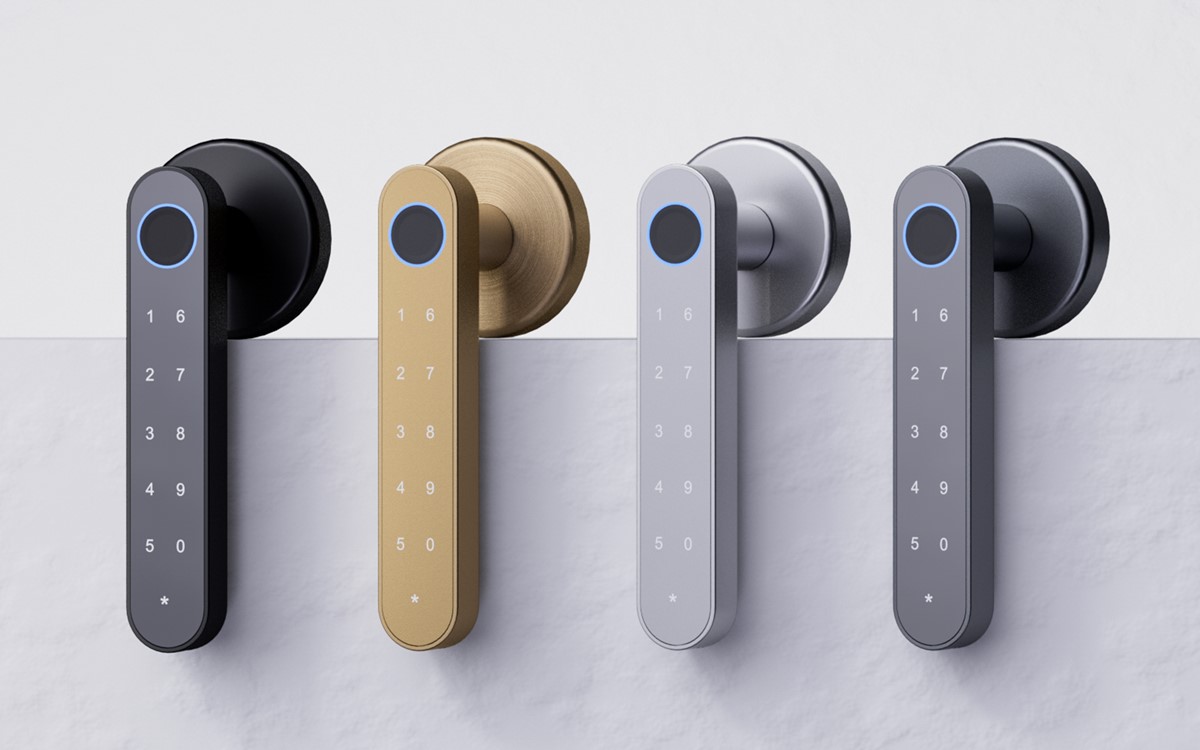
Part 4: Frequently Asked Questions
Q1: Are smart locks less secure than traditional locks?
The physical bolt is identical. However, smart locks can be hacked (BLE relay attacks) while traditional locks cannot. For maximum security, use a Grade 1 mechanical lock or combine both.
Q2: What happens if my smart lock battery dies?
YALIS smart locks have low-battery alerts and a physical key override. Keep the backup key somewhere safe.
Q3: Which lock lasts longer?
Traditional locks: 10-30 years. Smart locks: 3-7 years (batteries and electronics degrade). For long-term installations (schools, government), choose mechanical.
Q4: Can I install a YALIS smart lock myself?
Yes – most retrofit models fit standard doors (35-55mm thick, 60/70mm backset). Our packages include templates and video guides.
Q5: Does YALIS offer lock + handle + hinge sets?
Yes. We provide complete door hardware packages for residential and commercial projects – unified style, one supplier.
Q6: Which lock is best for an Airbnb?
A smart lock with temporary codes. YALIS smart locks let you generate unique codes per guest and revoke them after checkout – no rekeying needed.
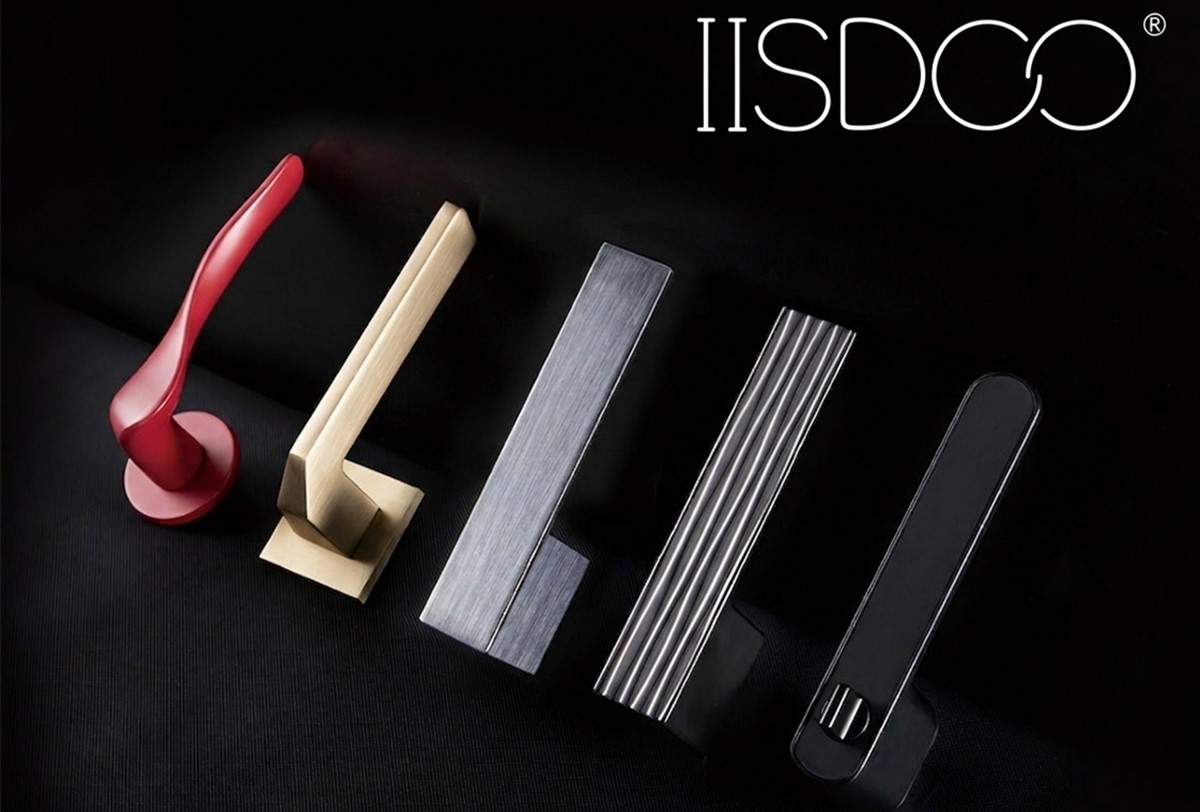
Choose the lock that fits your life. YALIS delivers both tradition and innovation.
Visit www.yalisdesign.com for our full collection.
Post time: May-27-2026