
That sticky black goo under your door stop? It’s old rubber pad breaking down. Don’t ruin your floor or baseboard with harsh scrapers. Here’s how to clean it safely – and how YALIS door hardware prevents the problem forever.
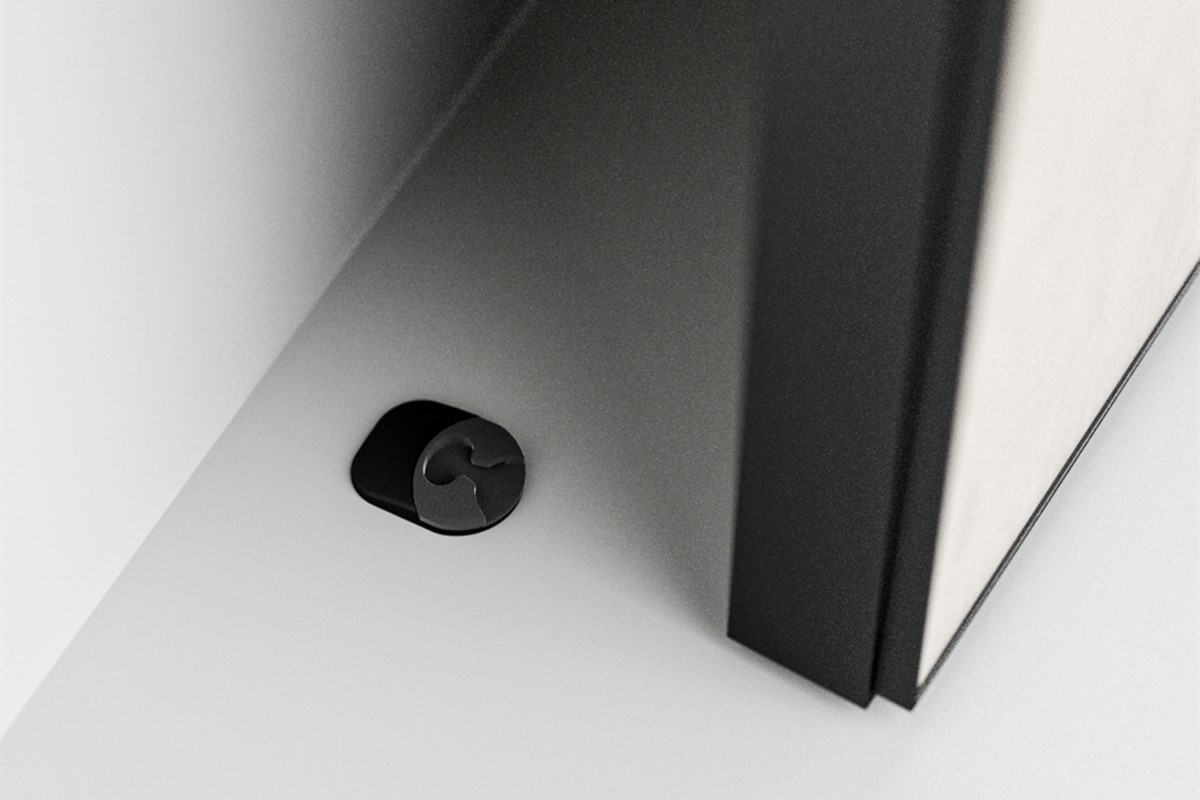
Part 1: Why Rubber Door Stops Become Sticky
| Cause | Explanation |
| Material breakdown | Cheap TPR/rubber additives leach out |
| Heat & humidity | Accelerate degradation |
| Age | 3-5 years until sticky, soft, or liquefied |
| Chemical reaction | Floor cleaners or paint can attack rubber |
Part 2: 4 Methods to Remove Sticky Residue (Gentlest to Strongest)
| Method | Materials | Best For | Caution |
| 1. Tape lift | Wide packing tape | Light, fresh residue | Repeated pressing |
| 2. Cooking oil + baking soda | Vegetable oil, baking soda, soft cloth | Hardwood, tile, metal | Wipe dry after |
| 3. Rubbing alcohol (70-75%) | Alcohol, cotton pad | Tile, glass, metal | Test on unseen area |
| 4. Commercial adhesive remover | Goo Gone, 3M remover | Heavy, stubborn residue | Ventilation, gloves |
YALIS recommends Method #2 – safe for most surfaces.
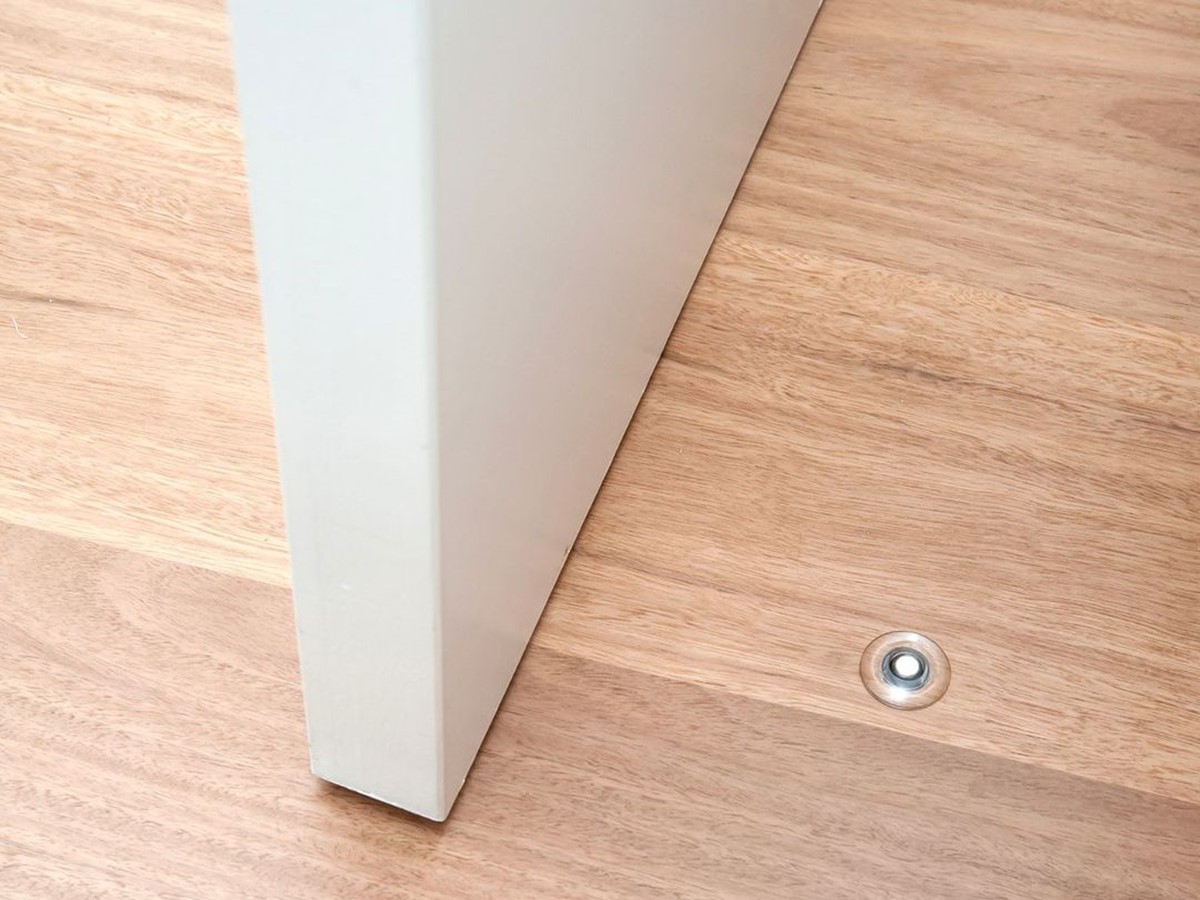
Part 3: Step-by-Step – Oil + Baking Soda (Safest)
Apply oil – a few drops on the sticky area, wait 5 minutes.
Add baking soda – sprinkle to make a paste.
Rub gently – use soft cloth in circles; residue lifts.
Repeat as needed (2-3 times for thick buildup).
Degrease – wash with dish soap + water.
⚠️ Never use steel wool or metal scrapers – they scratch wood and paint.
Part 4: Other Methods Quickly Explained
Alcohol – works well on tile/glass; evaporates fast without sticky residue.
Commercial remover – for extreme cases; follow label instructions. Test first.
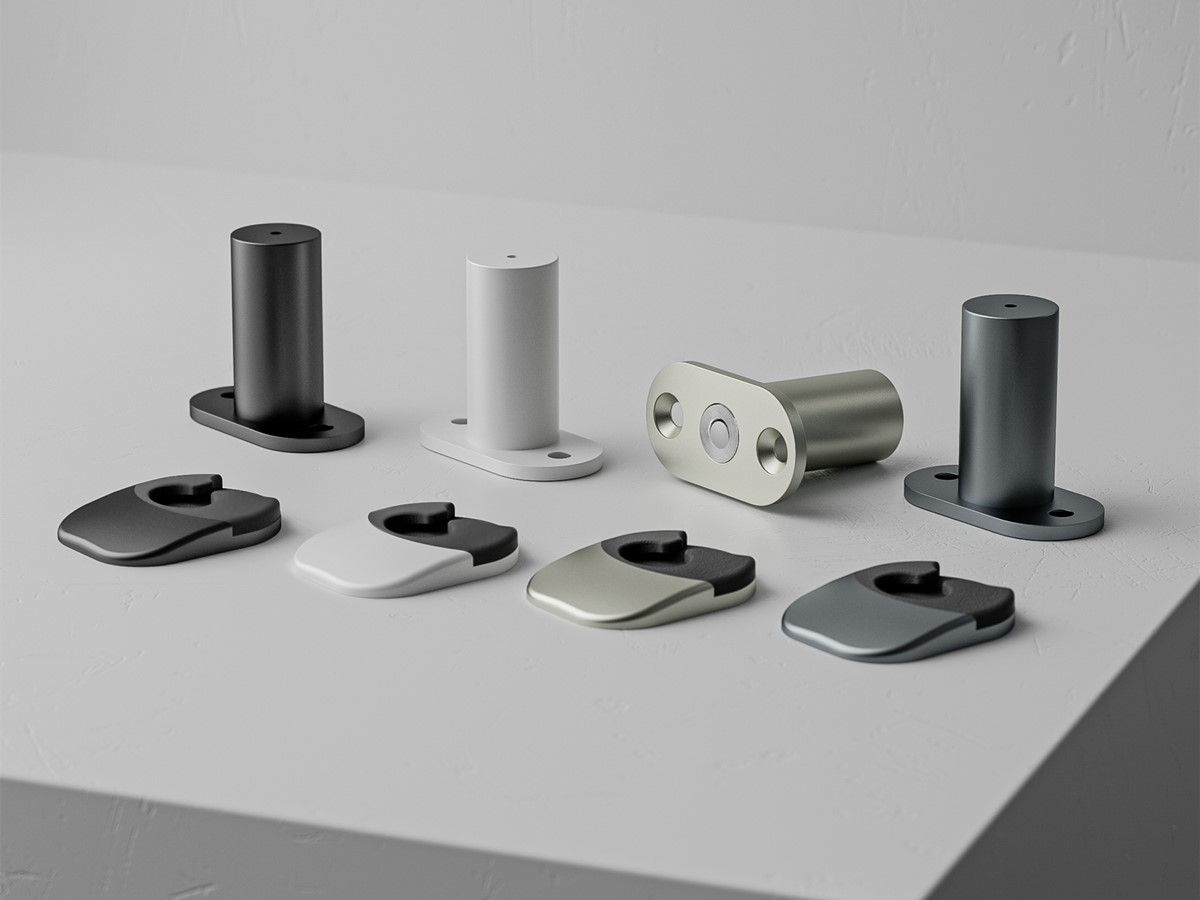
Part 5: The Permanent Fix – Replace with Non-Sticky Door Stops
Instead of cleaning every few years, install YALIS door stops that never become sticky.
| Material | Lifespan | Sticky? | Best For |
| Ordinary rubber | 3-5 years | ✅ Yes after aging | Not recommended |
| Silicone pad | 10+ years | ❌ No | Residential, hotels |
| Felt pad | 10+ years | ❌ No | Hardwood floors |
| All-metal (no pad) | 20+ years | ❌ No | High-traffic, outdoor |
YALIS door stop series:
304 stainless steel + silicone pad – never degrades, corrosion-resistant
Zinc alloy + felt pad – sleek design, floor-friendly
Magnetic or mechanical – strong holding force, silent operation
Every YALIS door stop includes installation screws, wall plugs, and a paper template.
Part 6: How to Install Your New YALIS Door Stop (Brief)
Clean the area – remove all old residue.
Mark drilling position.
Pre-drill holes (to avoid splitting).
Fix base with provided screws.
Attach the catch to door bottom.
Align and test.
Frequently Asked Questions (FAQ)
Q1: Is the sticky residue toxic?
Generally no, but wash hands after handling. Keep away from children/pets.
Q2: Can I use nail polish remover (acetone)?
Acetone damages most paints and finishes. Avoid it on doors and floors.
Q3: Why don’t YALIS door stops become sticky?
We use silicone or felt – these materials do not leach plasticisers. They stay clean and dry for over a decade.
Q4: Can I replace just the rubber pad on my old door stop?
Yes, if the base is metal. YALIS sells replacement silicone pads – contact our support for compatibility.
Q5: Which is better – wall-mounted or floor-mounted door stop?
Wall-mounted saves floor space; floor-mounted holds heavier doors. YALIS offers both styles.
Q6: How do I clean a silicone door stop pad?
Simply wipe with a damp cloth. No special chemicals needed.
Stop fighting sticky residue. Upgrade to YALIS door hardware – clean, reliable, and long-lasting.
Visit www.yalisdesign.com for silicone-pad door stops and more.
Post time: May-22-2026