
Let’s cut straight to it: the biggest mistake people make with aluminum-wood doors isn’t picking the wrong wood or the wrong aluminum profile—it’s picking the wrong door hardware finish to connect the two.
If your door handle clashes with the wood’s warmth or the aluminum’s coolness, the whole entrance feels “off,” even if the door itself cost a fortune. Get it right, and you achieve what designers call visual harmony—where the hardware acts as a bridge, not a battleground.
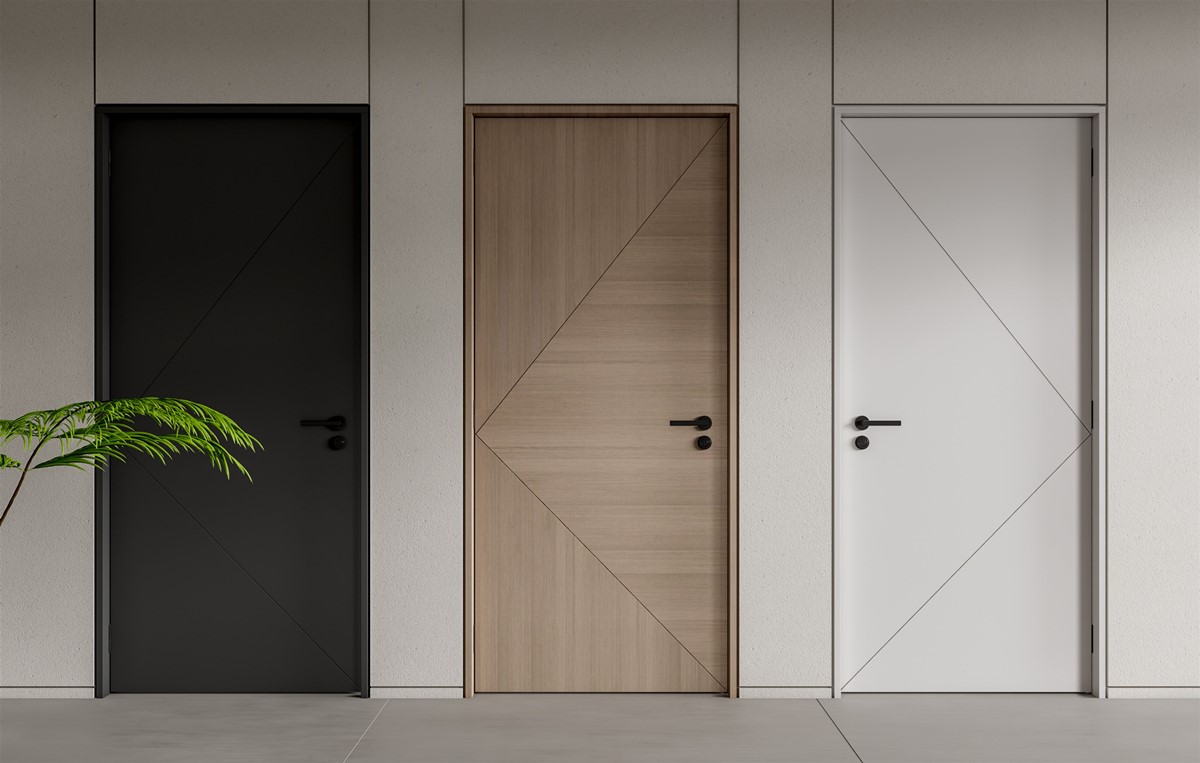
First, Know What You’re Working With
An aluminum-wood door is literally two faces:
Inside face: Wood veneer (oak, walnut, cherry, etc.)—brings texture and warmth to the room.
Outside frame: Aluminum alloy—provides structure and weather resistance.
Here’s a quick breakdown of wood tones:
| Wood Tone | Common Types | Vibe |
| Light | White oak, Maple, Beech | Bright, airy, contemporary |
| Medium | Cherry, Teak, Light Walnut | Classic, inviting, versatile |
| Dark | Black Walnut, Smoked Oak | Rich, bold, premium |
Aluminum profiles usually come in silver, charcoal, black, or champagne gold. Hardware finishes? Chrome, brushed nickel, matte black, antique bronze, gold—the list goes on.
4 No-Nonsense Rules for Matching (That Actually Work)
Rule #1: Match the wood’s temperature.
Warm-toned woods (cherry, teak) love warm metals—think brass or antique bronze. Cool-toned woods (oak, maple) look cleaner with nickel or stainless. For dark woods like walnut, you have two roads: matte black for a sharp, modern look, or vintage gold for a luxe contrast.
Rule #2: Play nice with the aluminum frame.
Dark aluminum (charcoal/black) handles bold hardware well—either match it dark or go shiny for a pop. Silver aluminum is more neutral; brushed nickel is your safest bet.
Rule #3: Look around the room.
Your hardware shouldn’t live in a bubble. If your light fixtures or furniture legs are brass, repeat that brass in your door handle. In minimal spaces, make the hardware “disappear” with matte or color-matched finishes.
Rule #4: Keep it consistent across the floor.
Stick to one or two complementary finishes within the same open space. Mixing chrome, gold, and black in one hallway rarely looks curated—it looks chaotic.
Style-to-Finish Cheat Sheet
| Design Style | Recommended Wood | Aluminum Color | Hardware Winner |
| Modern Minimalist | Light Oak | Matte Black / Charcoal | Matte Black or Gunmetal |
| Neo-Chinese | Black Walnut | Dark Grey / Bronze | Antique Bronze or Brushed Gold |
| Light Luxury | Smoked Oak | Champagne Gold | Gold, Rose Gold, or Brass |
| Wabi-Sabi / Natural | Natural Oak | Natural Aluminum | Brushed Nickel or Stainless |
| Nordic | White Oak | White / Light Grey | White or Matte Silver |
| Industrial | Dark Walnut | Dark Grey / Black | Gunmetal or Dark Bronze |
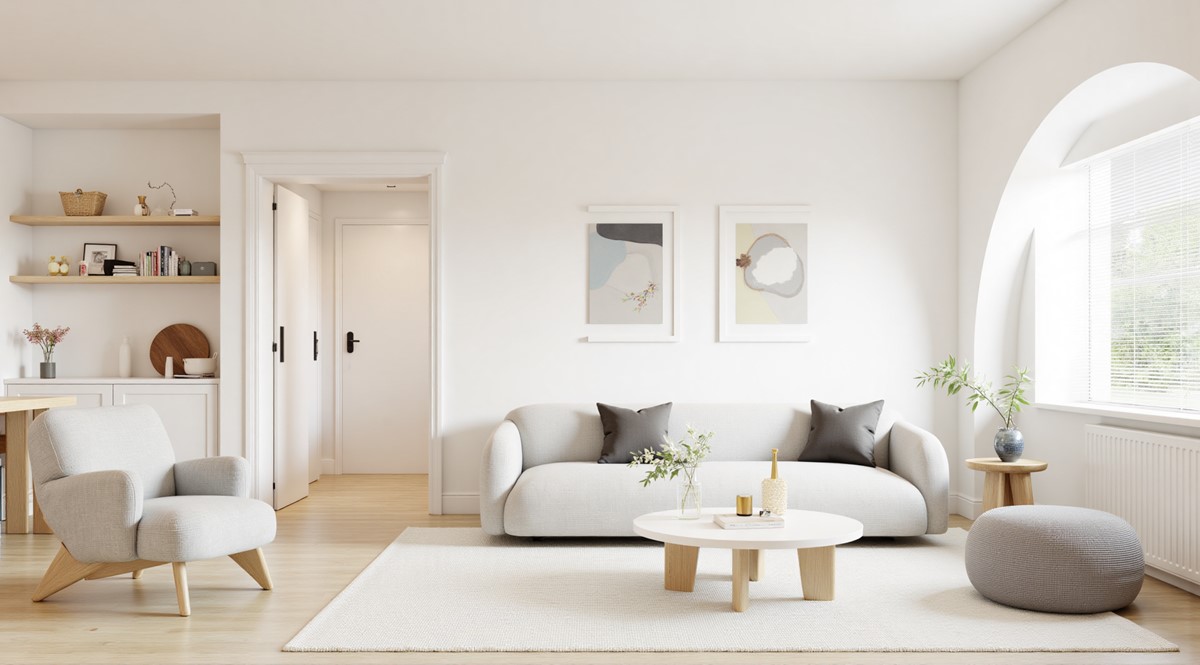
A Few Trade Secrets on Materials
Wood finish matters: Open-pore (rough) wood pairs with heavier, textured hardware; sealed smooth wood takes delicate finishes better.
Aluminum treatment: Anodized finishes look metallic and pair with cool hardware; powder-coated aluminum offers more color flexibility.
Hardware tech: Go for PVD coating if you can—it resists scratches and fading much longer than standard electroplating. For outdoor doors, always insist on powder-coated or PVD-treated stainless steel to fight rust.
Common Pitfalls We See All the Time
Picking hardware after the door is installed (do it together).
Using bright chrome on dark walnut (too harsh—go dark or warm).
Forgetting that outdoor doors need weather-resistant finishes (yes, color fades under UV).
Thinking “any silver will do”—silver has shades: bright, brushed, and satin all read differently.
Why This Matters at YALIS
We’ve been manufacturing aluminum-wood door hardware for nearly two decades. Our in-house team understands that a perfect match isn’t just about color swatches—it’s about finish durability, torque precision, and how the handle feels in your hand. We offer over 12 standard finishes (matte black, gunmetal, brushed nickel, antique bronze, gold, etc.) and support custom color-matching to your exact door veneer or profile. All backed by ISO, SGS, and TUV certifications—because beautiful hardware also has to be safe hardware.
Final Takeaway
There’s no “magic” color—only a logical approach. Match the wood’s warmth, respect the aluminum’s tone, and unify your hardware family. Do that, and your aluminum-wood doors won’t just look expensive—they’ll look intentional.
FAQ
Q1: What’s the safest handle finish for dark walnut aluminum-wood doors?
Matte black (modern) or antique bronze (warm). Both avoid the harsh contrast that silver creates.
Q2: My aluminum frame is dark gray, but my wood is light oak. Which hardware works best?
Brushed nickel or satin stainless steel. They act as a neutral visual buffer between the two extremes.
Q3: Do I really need all handles in my house to match?
In open-plan areas—yes, it keeps the flow. Bedrooms can differ slightly, but try to stay within the same “metal family” (e.g., all warm or all cool).
Q4: Can YALIS color-match hardware to my specific door?
Absolutely. We offer custom color services for both wood veneer and aluminum profiles—just send us your RAL code or a physical sample.
Q5: Which finish holds up best for exterior aluminum-wood doors?
PVD-coated or powder-coated stainless steel. Darker colors (charcoal, black) are more forgiving with dirt and UV fading.
Q6: What standard finishes does YALIS stock regularly?
Matte black, gunmetal, brushed nickel, satin stainless, antique bronze, polished gold, and champagne—plus custom projects upon request.
Need a second opinion on your project? Visit www.yalisdesign.com or reach out—we’re happy to match you with the right finish.
Post time: Sep-09-2026