
During a door renovation, painted-over door hinges are a common frustration. They look unsightly and can gum up the mechanism. Before you think of replacement, know that restoration is often straightforward. This guide will walk you through safe, effective methods to strip paint and reveal the quality hardware underneath—a testament to the lasting value of good door hardware.
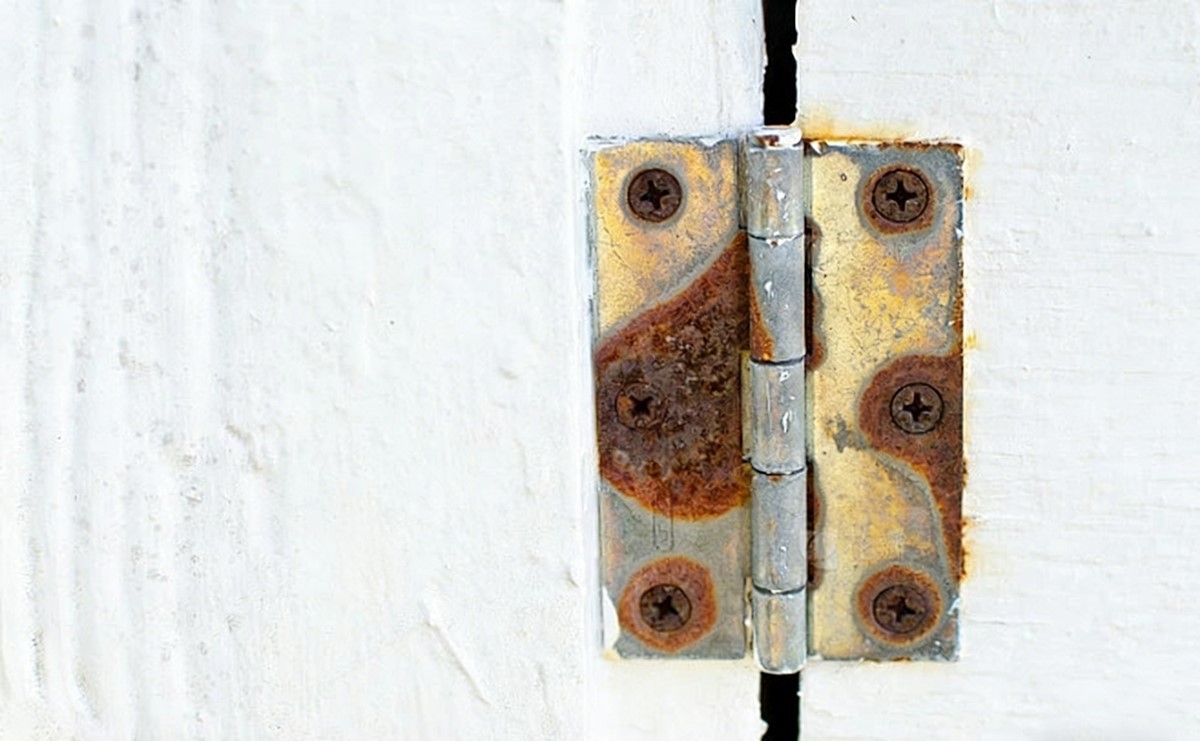
Safety & Prep First
Always work in a well-ventilated area. Wear safety goggles and chemical-resistant gloves.
Remove the Hinge: Carefully unscrew the door hinge from the door and frame. Number each hinge pair for easy reinstallation.
Gather Supplies: You’ll need a drop cloth, steel wool, a brass brush, screwdriver, and your chosen paint remover.
Three Effective Removal Methods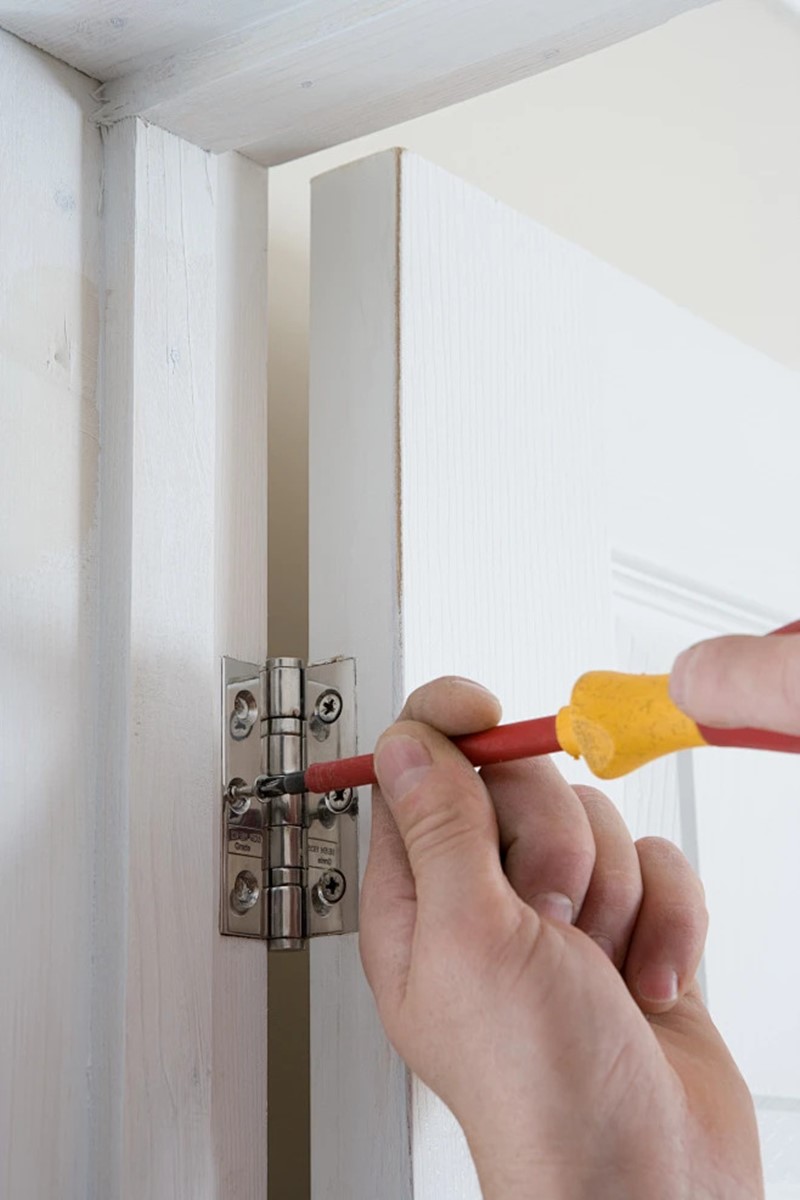
Method 1: Chemical Stripper (Best for Thick Layers)
Apply a biodegradable, non-caustic paint stripper gel. Let it sit as directed, then scrape off the bubbled paint with a plastic scraper or brass brush. This method highlights why investing in door hardware with a tough, original finish pays off—it resists such damage.
Method 2: The Boil Method (Eco-Friendly & Effective)
Use an old pot to boil water with a dash of vinegar or baking soda. Submerge hinges for 15-20 minutes. The paint will soften and can be peeled or brushed off. This gentle process is ideal for vintage pieces.
Method 3: Manual Scraping & Sanding (For Light Over-spray)
Use a utility knife to carefully score and lift paint edges. Follow with fine steel wool. Be patient to avoid scratching the base metal.
Cleaning, Protecting & Reinstalling
Once paint-free, clean hinges with a vinegar solution or metal cleaner. Dry thoroughly. Immediately apply a protectant like a light machine oil to prevent flash rust. This step is as crucial as maintaining a door stopper or lubricating a door handle.
When reinstalling, ensure screws are tight and hinges aligned. A drop of lubricant on the pin ensures smooth operation.
When Restoration Leads to an Upgrade
This process reveals the core quality of your hardware. If your hinges are stripped, warped, or simply low-grade, it’s a sign to upgrade.
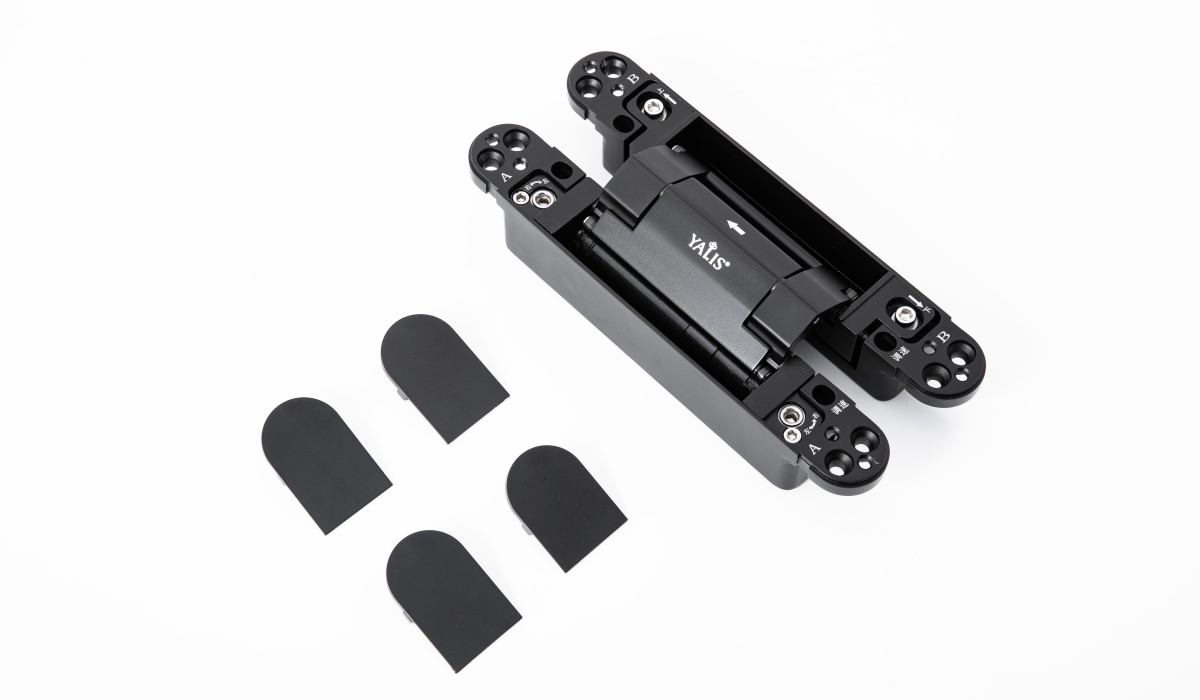
At YALIS, we engineer our door hinges and complete door hardware systems for lifelong performance. Our finishes are applied using advanced PVD technology, creating an exceptionally hard, corrosion-resistant surface that is far easier to clean and maintain, preventing such renovation headaches in the future. Consider this restoration a step towards choosing durable, intelligent hardware for your next project.
FAQ
Q1: Can I use these methods on my door handle or lockset?
A: Yes, but with caution. For plated finishes, avoid abrasive scraping. Chemical strippers may be safe but test on a small area first.
Q2: The metal looks dull after paint removal. How do I polish it?
A: For brass or bronze, use a dedicated metal polish. For steel, a light oil coat often restores a rich, satin sheen.
Q3: Is it worth restoring cheap, modern hinges?
A: Often, no. The time and cost may exceed the value of thin, plated hinges. This project is most rewarding for solid, vintage, or high-quality modern hardware.
Q4: Why are my hinges squeaky or stiff after rehanging?
A: Ensure they are aligned correctly. Apply a dry lubricant (like graphite powder) to the hinge pin. If problems persist, the hinge may be damaged.
Q5: How do YALIS products prevent such issues?
Post time: Jan-06-2026