
Choosing the right lock for your door involves understanding a fundamental distinction: mortise locks versus cylindrical locks. This isn't just about looks; it's about core architecture, which dictates security, durability, and performance. This guide breaks down their structural differences to help you make the right choice.
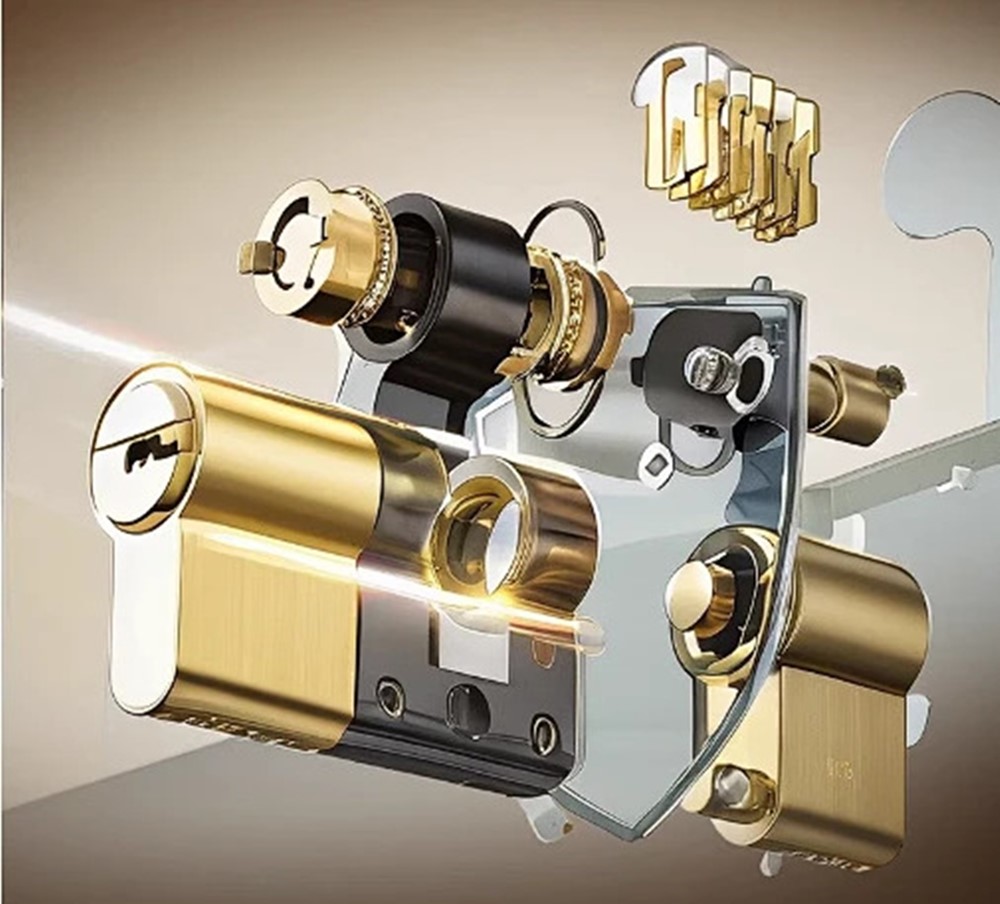
The Core Architectural Difference
Think of it like this: a mortise lock is a fully integrated system, while a cylindrical lock is a modular assembly.
Mortise Lock ("The Integrated System"): A complex, rectangular lock body is designed to be "mortised" or slotted into a pocket carved out of the door's edge. All its working parts—the bolt, latch, and internal mechanism—are contained within this single, robust chassis.
Cylindrical Lock ("The Modular Assembly"): This system uses a simple, rounded lock body that fits into a single bore hole drilled through the face of the door. It consists of two separate pieces—an exterior and interior knob/lever—that connect through this bore hole with a long spindle.
Comparison: Mortise Lock vs. Cylindrical Lock
| Feature | Mortise Lock | Cylindrical Lock |
| Structure & Security | Superior. The lock body sits inside the door, making it highly resistant to kick-ins and forced entry. Allows for multiple locking points (deadbolt, latch, auxiliary bolts). | Standard. The lock mechanism is concentrated in the thin door edge, creating a weaker point vulnerable to impact. Typically offers only a basic latch and deadbolt. |
| Durability & Stability | Excellent. The heavy-duty, integrated mechanism is built for high-traffic and long-term use without becoming loose or wobbly. | Adequate. The two-piece design and reliance on a thin latch bolt can lead to wear and loosening over time, especially in high-use environments. |
| Installation | Complex. Requires precise chiseling of a deep pocket in the door edge. Best left to a professional. | Simple. Requires only two bore holes in the door face. A very common and straightforward DIY-friendly installation. |
| Aesthetics & Feel | Premium & Solid. Offers a substantial, high-end feel. The lever typically operates a smooth, heavy-duty mechanism. | Lightweight & Common. Can feel less substantial. The mechanism's feel is often lighter. |
Why a Mortise Lock is Often the Superior Choice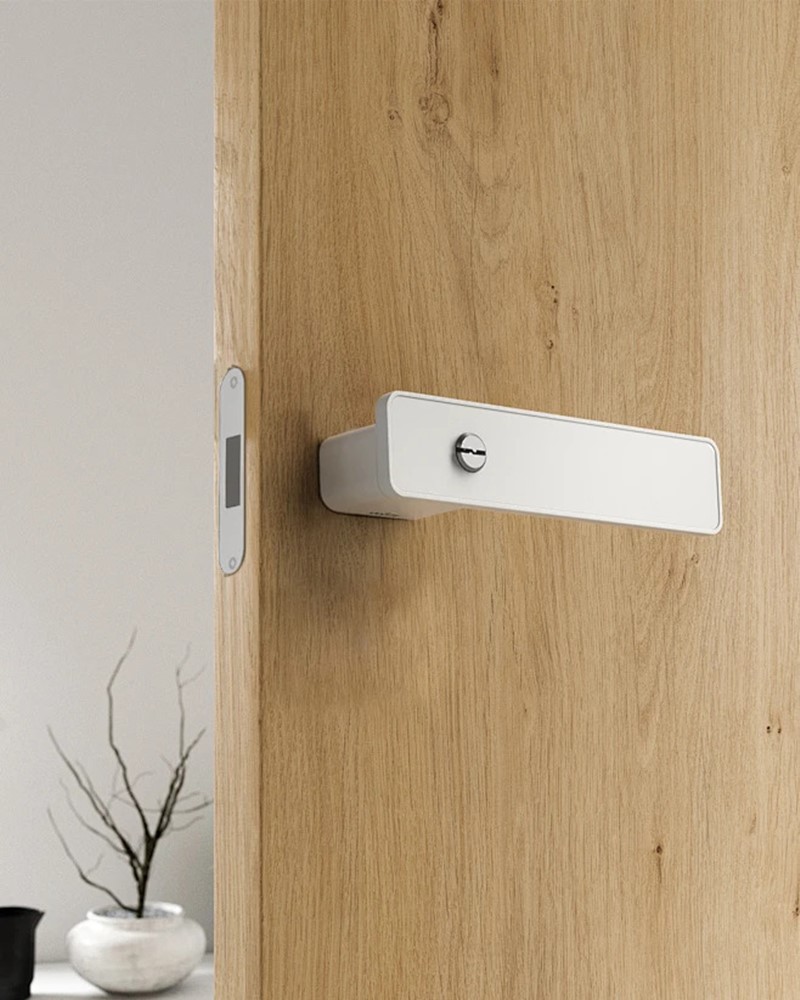
For any door where security and longevity are priorities—especially main entrances—the mortise lock's design offers distinct advantages.
Unmatched Physical Strength: By being recessed into the door's edge, the lock body distributes force across a much larger area. This makes the door assembly far more resistant to battering and kick-in attacks compared to a cylindrical lock, whose force is focused on a small, vulnerable area in the door edge.
Integrated, Robust Mechanism: The internal components of a mortise lock are larger, more durable, and work together as a single unit. This eliminates the "wiggle" and play that can develop over time with the two-piece cylindrical design.
Potential for Enhanced Security: The design naturally accommodates multiple deadbolts and anti-lift pins, creating a multi-point locking system that securely bolts the door into the frame at several points.
The YALIS Advantage: Precision-Engineered Security
The superior design of a mortise lock can only be realized with precision manufacturing. At YALIS, our control over the entire production process ensures that our mortise locks deliver on their full potential.
Material Integrity: We use high-strength alloys and stainless steel components to construct the lock body and bolts, ensuring they can withstand extreme force.
Precision Machining: Our in-house manufacturing allows for micron-level tolerances in the internal mechanism. This guarantees smooth, reliable operation and eliminates the failures common in poorly made locks.
Long-Term Reliability: This commitment to quality from our factory floor is what enables us to offer you truly worry-free performance and after-sales support.
Conclusion: Making the Right Choice
Your choice should be guided by the door's purpose:
Choose a Mortise Lock for: Main entrance doors, high-security areas, commercial buildings, and any application where maximum durability and forced-entry resistance are required.
A Cylindrical Lock is Suitable for: Interior doors (bedrooms, bathrooms), low-traffic areas, and situations where ease of installation and budget are primary concerns.
For your most important doors, invest in the integrated strength of a mortise lock.

FAQ:
Q: Can I replace a cylindrical lock with a mortise lock?
A: Yes, but it requires cutting a new pocket in the door edge, which is a job for a skilled locksmith or carpenter. The existing bore hole can often be covered by the new mortise lock's faceplate.
Q: Are mortise locks more expensive?
A: Initially, yes, due to their complex construction and installation. However, their superior longevity and security make them a valuable long-term investment for your property.
Post time: Oct-23-2025