
Cheap “stainless steel” door handles are often zinc alloy with chrome plating. They rust and scratch within months. This guide teaches you:
(1) how to identify real materials,
(2) which door hardware resists scratches best via scientific testing,
(3) proper installation steps.
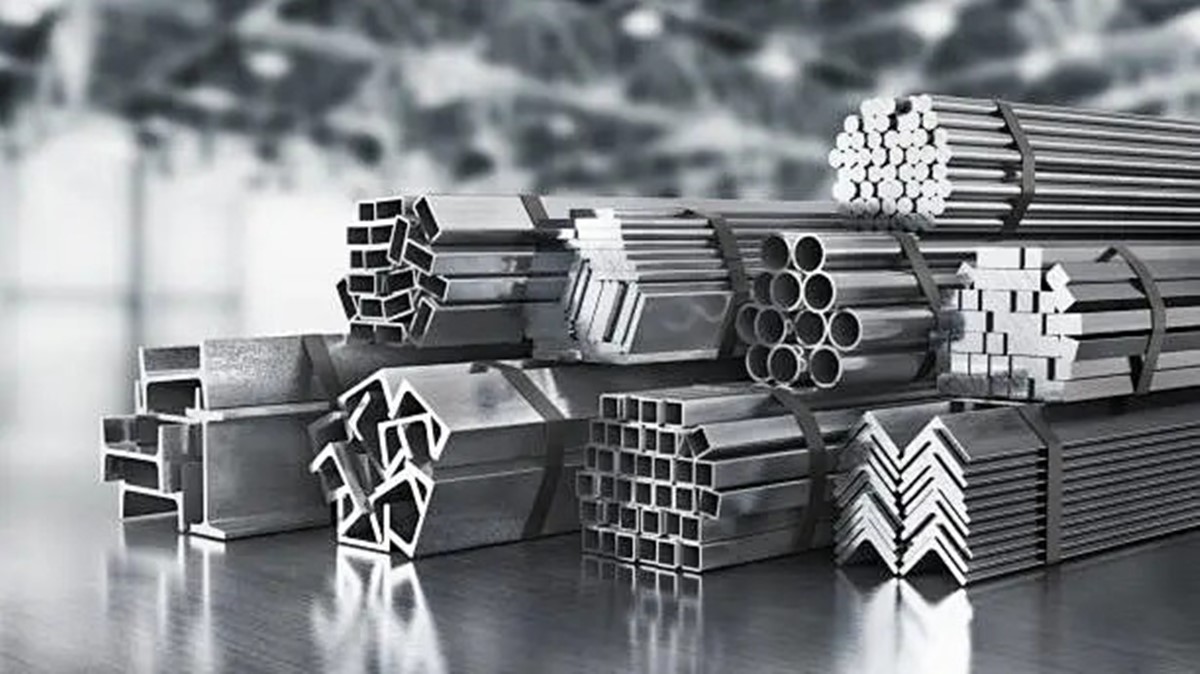
Part 1: Spot Fake Stainless Steel – 4 Simple Tests
|
Test |
Fake (Zinc Alloy) | Real 304 Stainless Steel |
| Magnet | Weak or non-magnetic | Non-magnetic |
| Weight | Lighter (~6.7 g/cm³) | Heavier (~7.9 g/cm³) |
| File test | Reveals dark gray core | Reveals silver-white metal |
| Salt water (24h) | White spots/bubbles | No change |
Read labels carefully:
✅ 304 Stainless Steel, Zinc Alloy (honest)
❌ Stainless Finish (only surface, not material)
YALIS clearly marks material on every product and provides third-party test reports.
Part 2: Surface Hardness Test – Which Handle Resists Scratches?
2.1 How to Install a Door Handle (Test Sample Prep)
Install all samples on 35mm boards following YALIS standard:
1.Determine door handing (left/right – YALIS handles are reversible)
2.Install latch into door edge
3.Install cylinder (keyhole outward)
4.Insert spindle (trim if too long)
5.Attach outside lever + rosette
6.Attach inside lever + rosette
7.Secure with long mounting screws
8.Test rotation & key function
9.Install strike plate on frame
10.Close and adjust for smooth operation
2.2 Test Samples & Method
Samples:
A – Fake “stainless” (zinc alloy, poor plating)
B – Genuine 304 stainless steel (brushed)
C – YALIS zinc alloy + PVD coating
D – Aluminum alloy (anodized)
Method: Pencil hardness tester (ASTM D3363), 500g/1000g scratch, simulated key scratch (8N, 10 cycles). Blind rating 1–5.
2.3 Results Table
| Sample | Real Material | Pencil Hardness | 500g Scratch Width | Key Scratch Rating (1=best,5=worst) | Fake? |
| A | Zinc alloy (poor) | 2H | 90μm | 5 | ✅ Fake SS |
| B | 304 Stainless | 4H | 35μm | 2 | No |
| C | YALIS Zinc + PVD | 5H | 20μm | 1 | No (labeled) |
| D | Aluminum | 2H | 85μm | 4 | No |
Conclusion: Fake handles scratch easiest. YALIS PVD coating (5H) outperforms even stainless steel.
Part 3: Why YALIS Door Hardware Is Different
100% material labeling – etched on every handle (e.g., 304, PVD)
Third-party test reports – available online by batch
PVD super-hard coating – 5H hardness, outlasting standard electroplating
Pre-installation protection – each box includes a protective sleeve to avoid scratches during DIY install
Full installation guide – illustrated manual + QR video
Frequently Asked Questions (FAQ)
Q1: How can I tell if a cheap “stainless” handle is fake?
Use a magnet and a file. Real stainless is non-magnetic and shows silver-white inside. Fake zinc alloy shows dark gray.
Q2: Is zinc alloy always bad?
No. Quality zinc alloy with PVD coating (like YALIS) is excellent and clearly labeled. The problem is fake stainless claims.
Q3: Can I do a hardness test at home?
Yes. Try scratching a hidden spot with a 4H pencil. If it leaves a mark, hardness is below 4H.
Q4: What’s the most scratch-resistant finish?
PVD coating (5H) > brushed stainless (4H) > electroplated chrome (3H) > anodized aluminum (2H).
Q5: My handle is already scratched – can I fix it?
Light scratches – metal polish. Deep scratches – replace. Choose YALIS PVD next time.
Q6: Does YALIS guarantee material honesty?
Yes. We label real material on product and packaging.
Choose YALIS door hardware – honest materials, proven hardness, and DIY-friendly installation. Visit www.yalisdesign.com for certified products.
Post time: Apr-16-2026