
Dirty, grimy door hinges do more than ruin the look of your door hardware—they cause squeaks, sticking, and wear. Regular cleaning is the easiest way to ensure smooth, silent operation. But using the wrong method can damage the finish. This guide will show you how to safely clean every common hinge type.
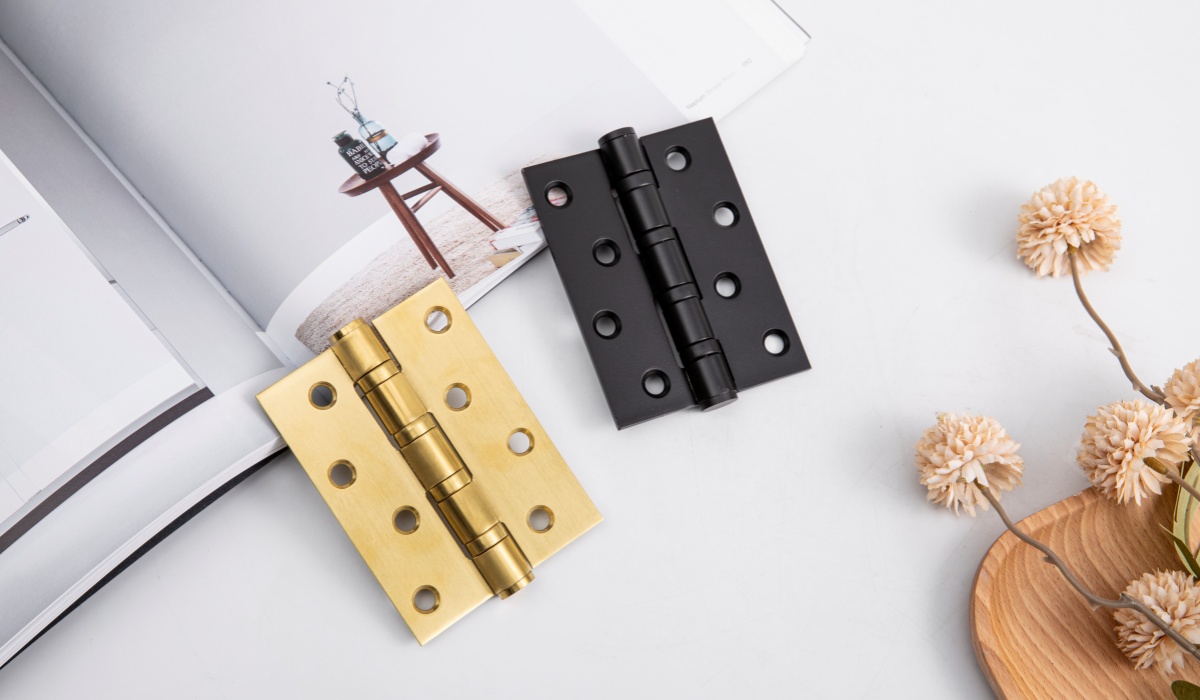 Preparation is Key
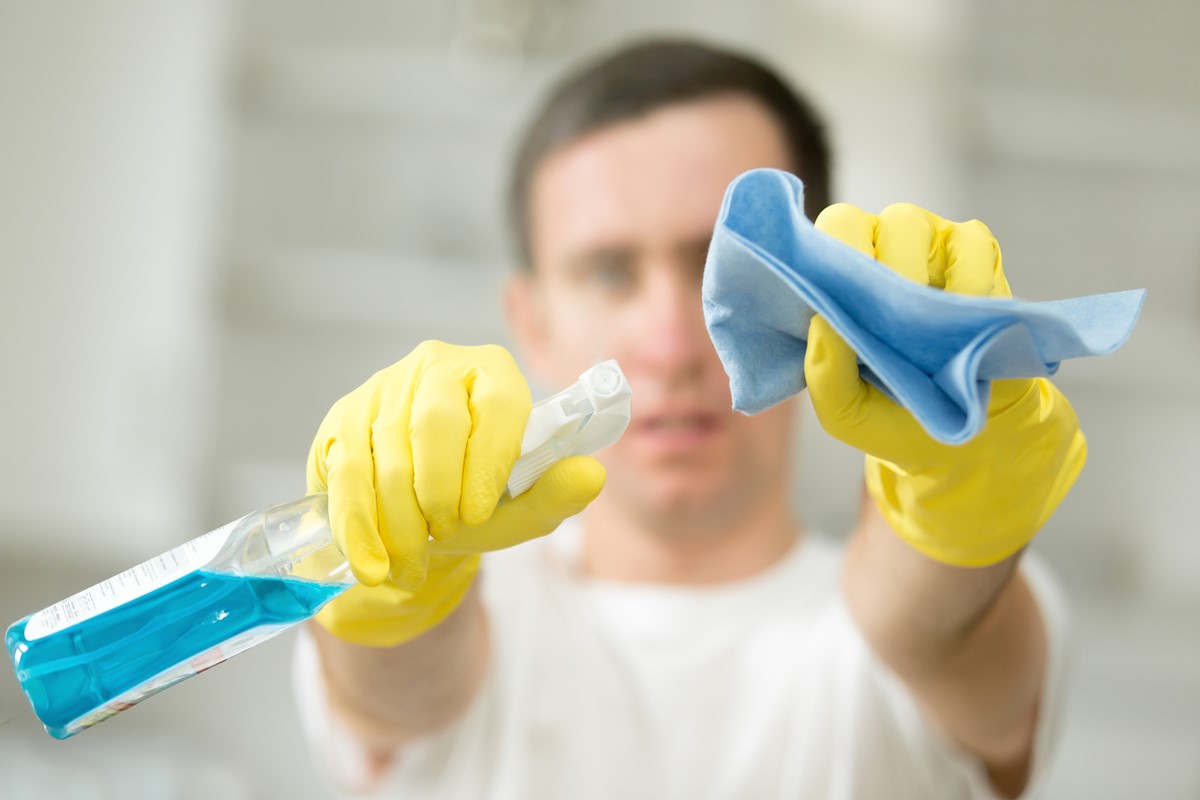
For a thorough job, remove the door hinge from the door and frame. Note their order for easy reinstallation. Gather soft cloths, a soft-bristle brush, mild dish soap, warm water, and cotton swabs. Always test any cleaner on a small, hidden area first.
Cleaning by Material & Finish
Stainless Steel & Chrome: These are durable. Use warm, soapy water. For hard water spots, a 50/50 white vinegar and water solution works well. Rinse and dry immediately with a soft cloth to prevent spots.
Brass & Bronze: For polished brass, ketchup or lemon juice can remove tarnish gently. Wipe on, wait a few minutes, then rinse and dry thoroughly. For an antique or living finish, never use acids—simply dust or wipe with a damp cloth to preserve the intended patina.
Black & PVD-Coated Finishes (Matte Black, Gunmetal): These modern finishes are scratch-sensitive. Use a dry, soft brush for dust. For fingerprints, lightly dampen a microfiber cloth with water or a mild soap solution, wipe gently, and dry immediately. Avoid abrasive cleaners.
The Final, Crucial Step: Lubrication
After cleaning and ensuring the hinge is completely dry, apply lubrication. Use a dry lubricant like a silicone spray or graphite powder on the hinge pin. Avoid WD-40 as a long-term lubricant, as it attracts dust. Operate the hinge several times to work the lubricant in. This step is as vital for your door hinge as it is for maintaining a quiet door stopper or a smooth door handle.
Why Quality Hardware Makes Maintenance Easier
You’ll notice that high-quality hinges are simpler to clean and maintain. This is no accident. At YALIS, our door hardware is engineered for enduring beauty. Our hinges feature advanced PVD coatings that are not only highly corrosion-resistant but also provide a superior barrier against dirt and grime buildup. This makes routine cleaning a quick, effortless wipe-down, protecting your investment for years.
Conclusion
Taking a few minutes to properly clean your hinges extends their life and ensures your doors operate perfectly. For hardware that combines timeless design with easy-care durability, explore the full range of door hinges, door handles, and coordinated hardware suites from YALIS.
FAQ
Q1: Can I use vinegar to clean all my hinges?
A: No. Vinegar (an acid) is excellent for stainless steel but can damage the protective finish on brass, bronze, and especially black PVD coatings. Always identify the material first.
Q2: How often should I clean and lubricate hinges?
A: For most homes, a thorough cleaning and lubrication once a year is sufficient. In high-humidity areas like bathrooms, check every six months.
Q3: What if my hinge is squeaking after cleaning?
A: This usually means lubrication was missed or has washed away. Apply a dry lubricant specifically to the hinge pin as described above.
Q4: Can I clean the hinges without removing the door?
A: For a basic clean, yes. Use a brush to dislodge dust and a cloth to wipe surfaces. However, for deep cleaning or lubrication, removal is best.
Q5: What makes YALIS hinges easier to maintain?
A: Our use of premium materials and advanced PVD coating technology creates an extremely hard, non-porous surface. This prevents tarnish on metals and makes the surface highly resistant to fingerprints and stains, requiring only simple wiping for upkeep.
Post time: Jan-29-2026