
Selecting the right door hardware for a heavy door is critical. A solid wood or metal entry door can weigh over 150 kg, and standard hinges will fail quickly. This guide helps you choose the correct hinge type for safety and longevity.
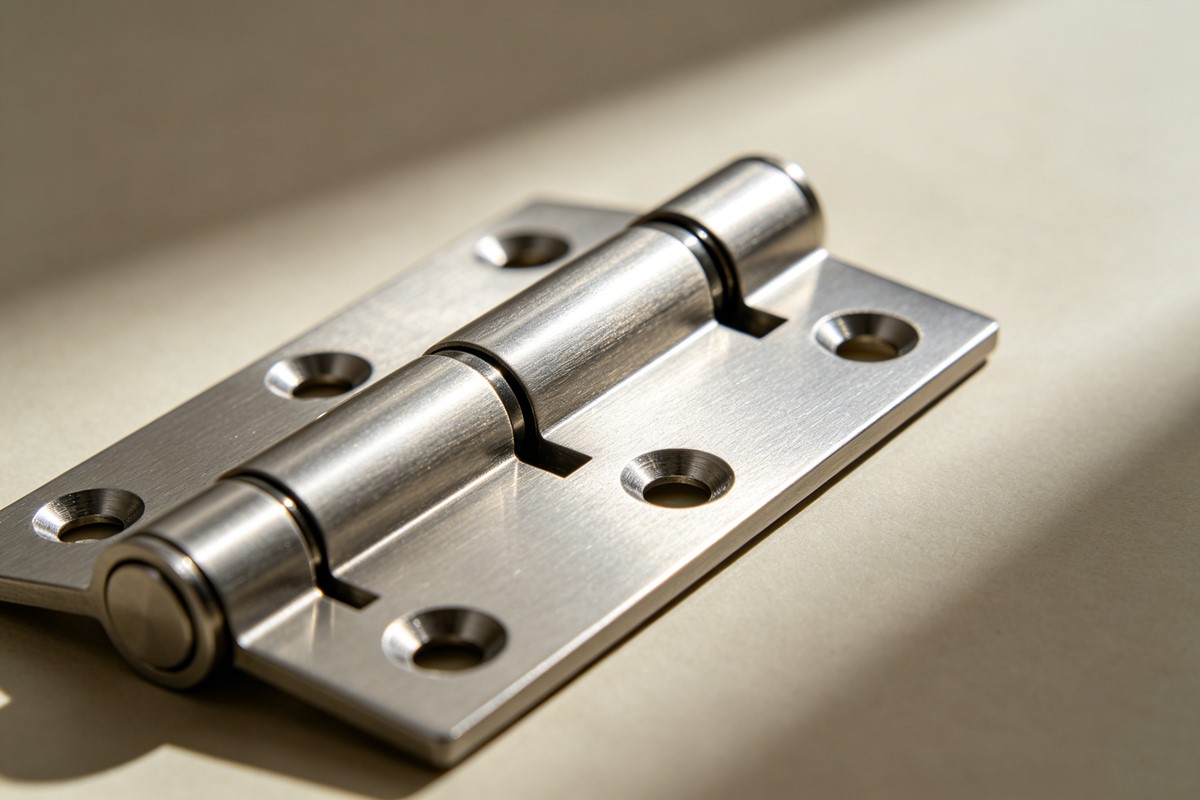
Hinge Types for Heavy Doors: Comparison
| Hinge Type | Load Capacity (per pair) | Best For | Key Benefit |
| Ball Bearing Butt Hinge | 160–300 kg | High-traffic commercial, heavy wood doors | Smooth operation, reduced friction |
| Concealed 3D Adjustable Hinge | 80–200 kg | Modern residential, flush doors | Hidden look, multi-directional adjustment |
| Continuous (Geared) Hinge | 300+ kg | Schools, hospitals, high-abuse entries | Full-height, even weight distribution |
| Spring Hinge | Varies | Self-closing fire doors | Automatic closing |
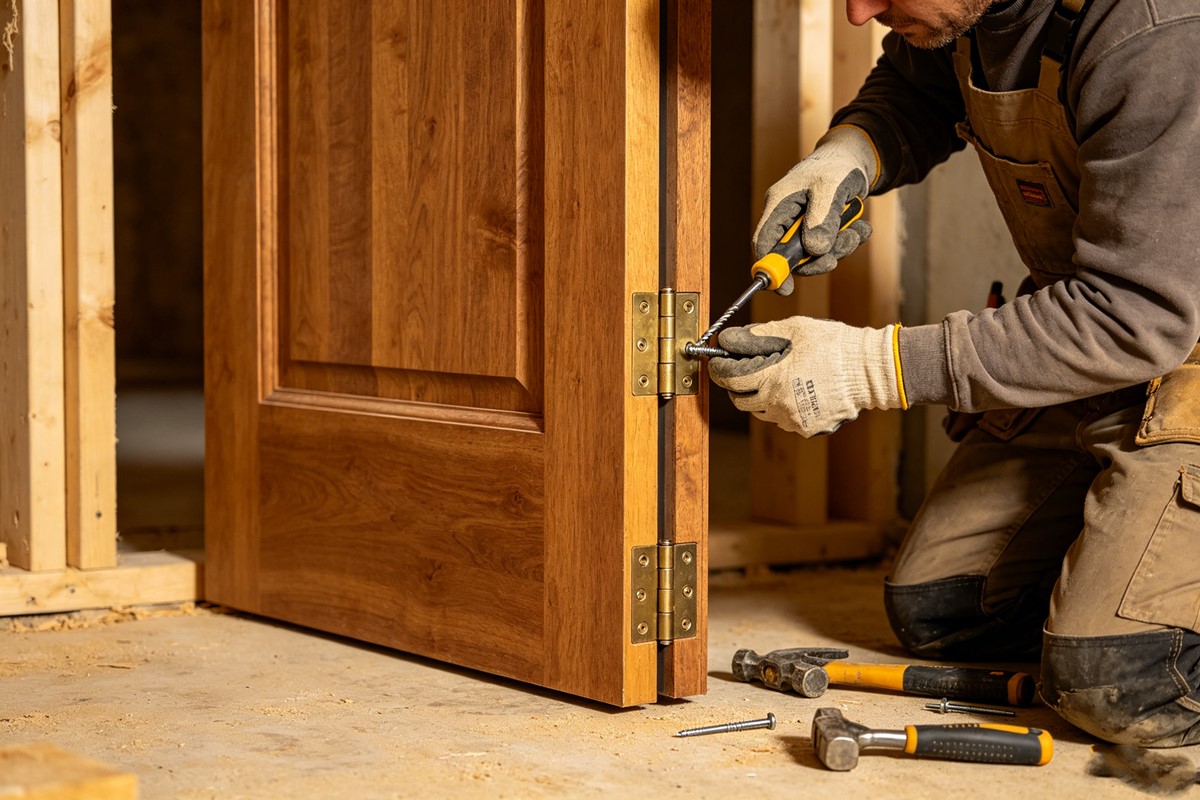
How to Determine Load Requirements
Step 1: Calculate door weight – Solid oak door (40mm thick) ≈ 25 kg/m². A 2.1m × 0.9m door = ≈47 kg. Add glass or metal cladding.
Step 2: Determine hinge count – For doors ≤260 lbs (118 kg): 3 hinges. 260–300 lbs (136 kg): 4 hinges. Over 300 lbs: 5 hinges.
Step 3: Per-hinge capacity – (Door weight ÷ hinge count) × 1.2 safety factor.
Material & Finish Matter
For coastal or high-humidity areas, choose SUS304 stainless steel for inherent corrosion resistance. Zinc alloy with quality electroplating works for dry indoor applications.
At YALIS (IISDOO) , based in Jiangmen, China, we specialize in residential and light commercial door hardware. Our heavy-door solutions include:
Concealed 3D adjustable hinges rated up to 120 kg
Ball bearing butt hinges with 200,000-cycle life (EN standard)
SUS304 stainless steel options for coastal projects
Every door handle and hinge from YALIS undergoes 72h+ salt spray testing and rigorous quality control. We don’t oversell – we recommend the right product for your actual environment.
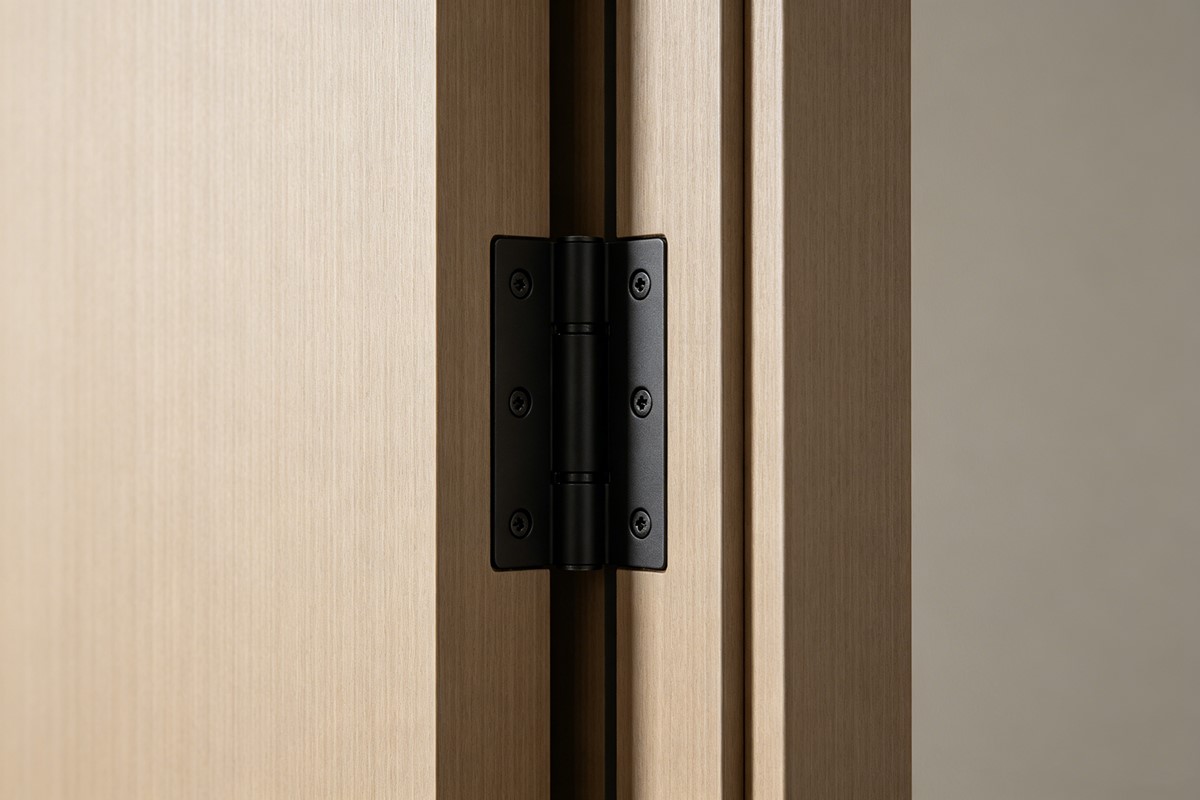
Quick Selection Checklist
✅ Door weight ≤120 kg → 3 heavy-duty ball bearing or concealed hinges
✅ Door weight 150–200 kg → 4 hinges with safety margin
✅ Outdoor or coastal → SUS304 stainless steel
✅ Fire-rated assembly → require EN 1634 certification
FAQ
Q1: How many hinges do I need for a 120 kg solid wood door?
A. Three high-quality ball bearing hinges (each rated ≥50 kg) are sufficient. Use four if the door is extra wide (≥1100 mm).
Q2: Can concealed hinges really support heavy doors?
A. Yes. Premium concealed 3D adjustable hinges (like YALIS’s) are engineered for 80–150 kg loads, with vertical/horizontal/in-out adjustment to prevent sagging.
Q3: What’s the difference between ball bearing and plain bearing hinges?
A. Ball bearings reduce friction and wear, ensuring smooth operation over decades. Plain bearings (no bearings) are fine for light doors but will fail quickly on heavy ones.
Q4: Does YALIS offer hinges for coastal environments?
A. Absolutely. Our SUS304 stainless steel hinges pass 72h+ neutral salt spray tests, ideal for seaside homes or high-humidity kitchens.
Q5: What standard should I look for in heavy-duty hinges?
A. For Europe/Asia: EN 1935 Grade 13 (120 kg test door) or Grade 14 (160 kg). For North America: ANSI/BHMA Grade 1.
Q6: Can I mix hinge types on one door?
A. Not recommended. Use identical models and manufacturers to ensure even load distribution.
Need reliable heavy-duty door hardware? Visit www.yalisdesign.com to explore YALIS’s full range.
Post time: Jun-11-2026