

Step 1: Diagnose the Misalignment
First, figure out how they’re misaligned. The door hinge or the frame may have shifted.
The Paper Test: Close the door. Try to slide a piece of paper between the door and the frame near the latch. If it slides through easily where the latch is, the door isn’t closing deep enough.
The Lipstick/Pencil Test (Best Method): Coat the end of your door’s latch with chalk, pencil lead, or lipstick. Close and open the door gently. The mark it leaves on the strike plate shows exactly where the latch is hitting. Is it above, below, or to the side of the hole?
Step 2: The Fix – Adjust the Strike Plate
This is the most common solution. You’ll need a screwdriver and maybe a file.
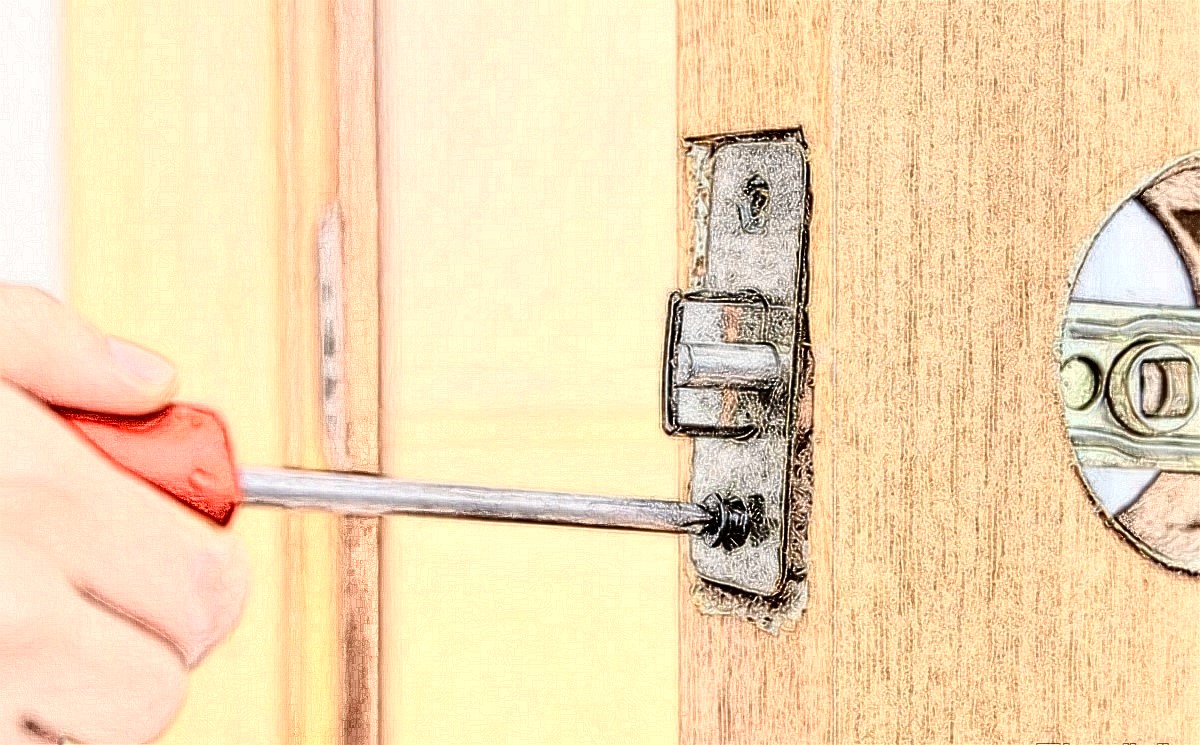
If the mark is ABOVE or BELOW the hole: Loosen (do not remove) the screws on the strike plate. You can often tap the plate slightly up or down with a hammer to reposition it. Retighten and test.
If the mark is on the SIDE of the hole: The latch is hitting the side of the strike plate instead of entering smoothly. Use a metal file to carefully enlarge the hole in the direction of the mark. File a little, test often.
If the screws are loose: Tighten them firmly. If the wood is stripped, use longer screws or fill the old holes with toothpicks and wood glue first.
Step 3: Check the Supporting Hardware
Sometimes, the root cause lies elsewhere in your door hardware.
Tighten Door Hinges: Loose hinges, especially the top one, cause the door to sag. Tighten all screws firmly. If the screws spin, use longer ones to bite into fresh wood in the frame.
Inspect the Door Stopper: A poorly positioned door stopper can prevent the door from closing fully. Adjust or relocate it if it’s in the way.
Step 4: Test, Lubricate, and Maintain
Once aligned, your door should close with a smooth, solid “click.” For lasting performance:
Apply a small amount of dry graphite lubricant to the latch.
Periodically check hinge and strike plate screws for tightness.
When to Call a Pro or Upgrade:
If the frame is warped or adjustments fail, seek professional help. Chronic issues may also indicate a worn latch. Consider an upgrade to a precision-engineered lock set from YALIS. Our locks are machined to minimize alignment issues and our smart locks are designed to function smoothly even with minor tolerances, often solving persistent closing problems.
FAQ
Q: I adjusted the strike plate, but my door still doesn’t latch unless I slam it.
A: This usually means the strike plate is too deep for the latch. Try placing a thin cardboard shim behind the strike plate to bring it closer to the door. If that works, consider our YALIS lock sets, known for their precise tolerances.
Q: What if I don’t have a file to enlarge the strike plate hole?
A: A sturdy metal nail file or the edge of a metal rasp can work in a pinch. For a cleaner job, a small round file is an inexpensive, useful tool to have.
Q: Can this happen with metal doors?
A: Yes, but less frequently. The principle is the same—check alignment first. On metal doors, ensure the door hinge welds or screws are secure, as adjustment can be more difficult.
Q: My door only sticks in humid weather. What’s wrong?
A: Wood swells with moisture. You may need to slightly enlarge the strike plate hole in the direction it sticks during humid periods to allow for this seasonal movement.
Q: Will an YALIS smart lock help prevent this issue?
A: While any lock requires alignment, YALIS smart locks feature robust, well-machined latches and offer detailed installation guides to ensure proper fit. Our support team can also provide remote guidance for troubleshooting alignment during setup.
Post time: Mar-12-2026